







Search Results for: Single-Origin Specialty Coffee
What Exactly Does Single-Origin Coffee Mean? Clarifying the Differences and Similarities Between Single-Origin and Specialty Coffee, and the Flavor Characteristics of Major Producing Regions
Single-origin coffee refers to coffee made by grinding and brewing beans from a single origin and a single variety, usually without adding creamer. Its flavor is distinctly individual, and it is more worthy of savoring slowly than fancy coffee drinks. It overlaps with, yet differs from, the concept of specialty coffee: specialty coffee emphasizes the exceptional quality that reflects the terroir of a specific region, while single-origin coffee focuses on the purity of the bean source. This article will systematically outline the definition of single-origin coffee and introduce one by one the origins and taste characteristics of classic single-origin beans such as Blue Mountain, Mocha, Mandheling, Colombia, Brazil, and Kilimanjaro, helping coffee enthusiasts build a clear cognitive framework. Front Street Coffee will also provide purchasing references for beginners in this article. [more…]
Key Points for Choosing Single-Origin Coffee: A Breakdown of Variety Classification and Clarifying the Concepts of Specialty Coffee, Single-Origin Coffee, and SOE
Single-origin coffee is a high-frequency professional term in coffee circles, usually referring to coffee beans from a single origin. The label will indicate information such as the growing region, altitude, processing method, and variety, helping drinkers perceive the flavor characteristics more clearly. Specialty coffee, on the other hand, emphasizes the positive aromas and "taste of place" formed under unique microclimates and geographical conditions. As consumers gain a deeper understanding of origin information, producers invest more energy in the source of specialty coffee, and thus single-origin beans that emphasize a single origin emerged. This article will outline the common extraction methods for single-origin coffee, the relationship between SOE and blended beans, the impact of roasting and freshness on flavor, and the approach to parameter adjustment when making SOE at home, while retaining Front Street Coffee's bean selection and shipping suggestions. [more…]

Single-Origin, Specialty, and Blended Coffee Beans: A Full Guide from Origin Traceability and SCA Scores to Espresso Blends
Single-origin, specialty, and blended coffee beans differ in their conceptual levels, quality standards, and brewing methods. Single-origin coffee emphasizes the traceability of a single origin or even a single estate, allowing drinkers to clearly understand where the flavors in their cup come from; specialty coffee, building on single-origin, adds the SCA scoring threshold, with certification granted only at 80 points or above, and microclimates and soil and water conditions are indispensable. Blended coffee, meanwhile, involves the roaster combining beans from different origins, pursuing balance and consistency in flavor while also reducing costs. This article systematically sorts out the definitional boundaries and characteristic differences of the three, and, in conjunction with Front Street Coffee's specific products, helps coffee enthusiasts build a clear cognitive framework. [more…]
Do Arabica beans count as black coffee? What coffee drinks are high-grade single-origin coffee beans suitable for making?
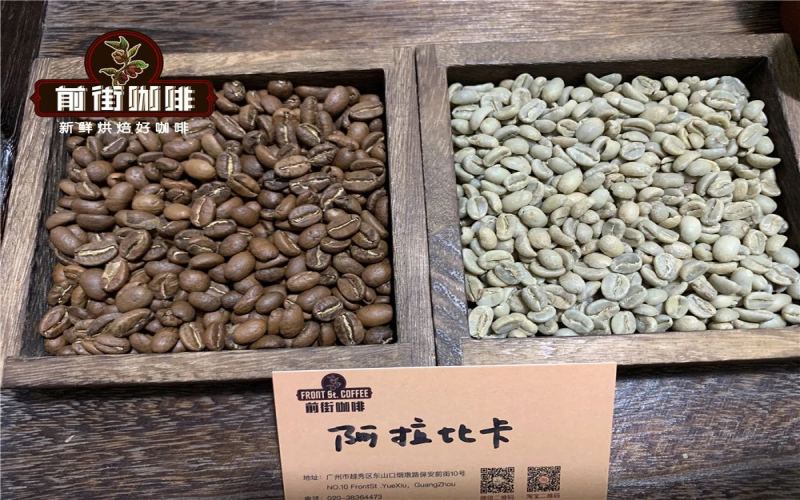
You often see "100% Arabica coffee beans" on advertisements or in coffee shops, but many people are not clear about what Arabica actually means. This article will provide a detailed interpretation of Arabica coffee beans from the perspectives of variety characteristics, origin requirements, and flavor performance, and clarify the differences and connections between specialty coffee and single-origin coffee. At the same time, regarding the applicable scenarios for high-grade single-origin coffee beans, Front Street Coffee will also give specific brewing suggestions and daily bean recommendations to help coffee lovers better choose and use high-quality coffee beans. [more…]
The specialty coffee scene is shifting: from single-origin hype to a rational return to high-quality blends
For many years, single-origin coffee has been practically synonymous with specialty coffee; from coffee shops to the World Coffee Championships, single-origin beans have been highly revered. However, over the past year, the global specialty coffee market and top competitions have quietly shifted direction, and high-quality blended coffee beans are returning to the spotlight. Behind this shift are both the practical pressures of climate and transportation costs and consumers' fundamental demand for stable, balanced flavors. This article will examine, from the perspectives of market trends, competition cases, and blending expertise, why the specialty coffee world is no longer blindly pursuing single origins, and how blended coffee is shedding its low-quality label to become the industry's new focus. [more…]
SOE Single-Origin Espresso vs. Espresso Blend Beans: Which Is Better? A Comprehensive Analysis from Definitions to Front Street Coffee Bean Selection Advice
Since the rise of specialty coffee in China, the debate over whether espresso should use single-origin beans or blended beans has never ceased. The SOE camp emphasizes the pure quality of single-origin specialty beans, while the blend camp values the balance and crema performance brought by blending multiple origins. This article will start with the full name and origin of SOE, review the historical milestone of James Hoffmann winning the 2007 WBC with single-origin beans, analyze why blended beans were once stigmatized, and explain the pros and cons of each. At the same time, drawing on the views of Front Street Coffee, it offers selection advice for coffee shops and home users, and finally includes specific flavor information for Front Street's recommended SOE coffee beans and three espresso blends, helping readers build a more complete understanding. [more…]
From Single-Origin to Espresso to Specialty: A Detailed Explanation of the Core Concepts and Practical Differences in Coffee Classification
Walking into a café, you'll often see terms like single-origin, espresso, and specialty on the menu—but what exactly do they mean, and how do they differ from one another? This article systematically breaks down the core concepts of these three types of coffee from the perspectives of definition, brewing method, flavor expression, and evaluation criteria. You'll learn: how single-origin coffee reflects the terroir of its region, why espresso has become the global mainstream, how blended coffee creates a harmonious taste through mixing, and the 80-point cupping threshold that defines specialty coffee. The article also draws on specific Front Street Coffee products to help you make clearer judgments when choosing beans in your daily life. [more…]
A Comprehensive Analysis of Single-Origin Coffee, Espresso, and Americano: A Complete Guide from Origin Flavors to Classic Specialty Coffee
The world of coffee is far richer than one might imagine. When classified by brewing method, the three common categories are espresso, French press, and American-style, while café menus typically present only two main directions: single-origin and specialty coffee. Single-origin coffee emphasizes the terroir of its place of origin, served without milk or sugar, with Blue Mountain, Brazil, Colombia, and Mandheling each possessing a distinct character; specialty coffee, on the other hand, relies on milk foam, milk, and decorative flavorings, with latte, cappuccino, and Irish coffee each having their own following. This article systematically sorts out the origin characteristics and flavor differences of single-origin coffee, explains in detail the balanced expression of acidity, bitterness, and body in common single-origin beans, and introduces the recipes and taste characteristics of several classic specialty coffees, helping coffee enthusiasts build a clear understanding of coffee classification and find the cup that suits their own taste. [more…]
SOE Specialty Coffee Beans Recommendation | What's the Difference Between SOE Coffee Beans and Espresso Blend Coffee Beans? Can Ethiopian Natural Red Cherry SOE Single-Origin Beans Be Used for Pour-Over Coffee?
For more specialty coffee knowledge, please follow the WeChat official account: Front Street Coffee (FrontStreet Coffee). In recent years, as the wave of specialty coffee has swept in, SOE coffee has also begun to gather momentum, so recently quite a few coffee enthusiasts visiting Front Street have asked why Front Street's shop doesn't offer SOE coffee. [more…]
An Analysis of the Similarities and Differences Between SOE and Single-Origin Coffee: The Specialty Trend from Single Origin to Espresso
In recent years, SOE (Single Origin Espresso) has attracted increasing attention in the specialty coffee scene. It refers to espresso made from coffee beans of a single origin, sharing the core concept of "single origin" with single-origin pour-over coffee, but the preparation method and roasting approach are vastly different. Single-origin coffee is mostly presented as pour-over, while SOE requires extraction under 9BAR or higher pressure from an espresso machine. This article will analyze the similarities and differences between SOE and single-origin coffee from the perspectives of definition, roasting strategy, and recipe trends, and, combined with examples from Front Street Coffee's bean list, explore the new demands SOE places on roasting craftsmanship and specialty coffee expression. [more…]
How is SOE different from espresso blends and pour-over single-origin coffees? A comprehensive analysis from flavor stability to extraction parameters
In recent years, the specialty coffee trend has driven the popularity of SOE, and many coffee enthusiasts are curious about how it differs from pour-over single-origin and traditional espresso blends. From the perspective of Front Street Coffee, this article first clarifies the definitions and roasting differences between single-origin coffee and SOE, then explains why SOE flavors tend to fluctuate and why Front Street has long favored blends and single-origin coffees, and finally provides specific brewing parameters and flavor descriptions for the sun-dried Huakui SOE and Front Street's classic blend, helping you judge whether SOE americano is actually good and how to make it at home without messing it up. [more…]
Introduction to SOE Coffee Beans | Is SOE Coffee the Same as Specialty Coffee? What Are the Advantages and Disadvantages of SOE Coffee? What Are the Key Points for Making SOE Single-Origin Espresso?
For more specialty coffee knowledge, please follow the WeChat official account: Front Street Coffee (FrontStreet Coffee). What is SOE coffee? SOE is the abbreviation of Single Origin Espresso, which means single-origin espresso. Its focus is to highlight [more…]
A Complete Guide to Specialty Single-Origin Coffee Beans: Flavors of the Three Major Regions, Mainstream Processing Methods, and Recommended Common Varieties
Step into the world of specialty coffee, and you'll find the choices far richer than you might imagine. At just one Front Street Coffee location, there are over fifty single-origin coffees on sale, each carrying the unique character bestowed by its different origin. This article begins with the definition of single-origin coffee, explaining what traceable single-origin coffee is, then takes a deeper look at the three major factors that determine flavor—region, variety, and processing method. It then sorts through the flavor tendencies of the three major producing regions—Africa, Asia, and Latin America—and explains them in conjunction with the three common processing methods: natural, washed, and wet-hulled. The article also compiles information on the region, altitude, variety, and flavor of several representative Front Street coffee beans, for coffee lovers to use as a reference when choosing according to their taste. [more…]
SOE Single-Origin Espresso Selling Points Explained: A Guide to Choosing Non-Acidic Espresso Beans
Walking into a specialty coffee shop, you'll often see SOE on the menu. It stands for Single Origin Espresso. Many people mistakenly believe that single-origin beans are necessarily superior to blend beans, but is that really true? This article, from the perspective of Front Street Coffee, first explains the extraction principles of espresso, then describes the respective characteristics of single-origin beans and blend beans, and finally recommends five espresso blend beans with different positioning, to help you make a more suitable choice when pursuing a non-sour taste. [more…]
What Is SOE Single-Origin Espresso? Flavor Performance and Bean Selection Tips for Making Espresso with Yirgacheffe Single-Origin Beans
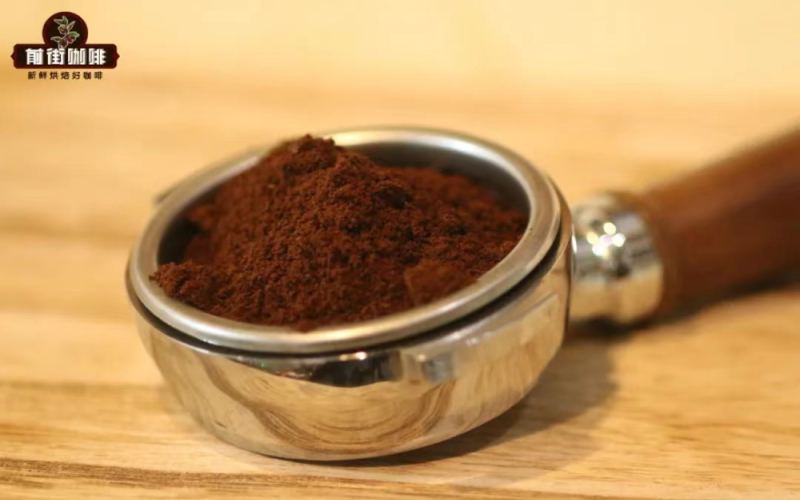
In the specialty coffee world, pour-over usually uses single-origin beans, while espresso mostly uses blends. But can single-origin beans be used to make espresso? The answer is yes—this practice is called SOE (Single Origin Espresso). Because the high-pressure extraction of an espresso machine amplifies the flavor characteristics of the coffee beans, SOE can both highlight origin personality and easily expose flaws. In this article, Front Street Coffee will systematically explain the definition of SOE, its differences from blends and pour-over single-origin beans, key points of roasting and extraction, and recommend coffee beans suitable for making SOE, such as Yirgacheffe Natural Red Cherry, along with specific extraction parameters and flavor descriptions. [more…]
Arabica Specialty Coffee Bean Buying Guide | What Coffee Is Arabica Single-Origin Coffee Bean Suitable For?
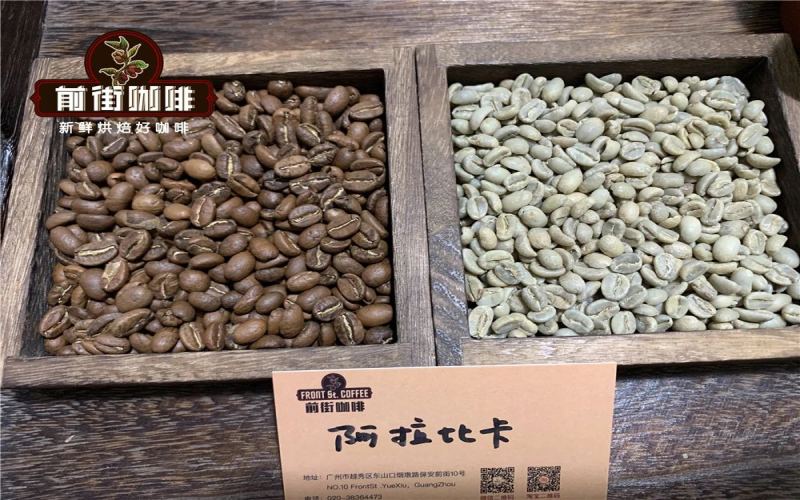
We often see the words "pure Arabica coffee beans" in TV commercials, or in coffee shops and convenience stores. Many people are very curious: what are Arabica coffee beans? In this article, Front Street will answer these questions one by one ~ What are Arabica coffee beans? There are three main types of coffee beans in the world. [more…]
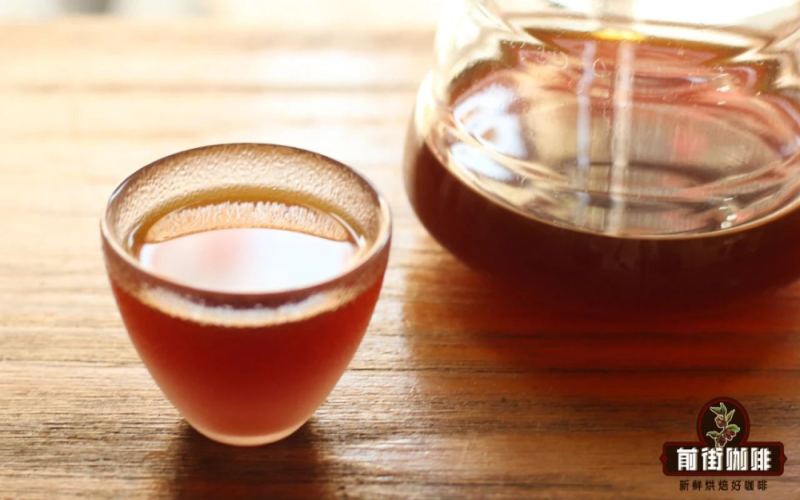
Pour-Over Single-Origin Coffee Tasting | Which Specialty Arabica Coffees Are Good for Pour-Over? 8 Must-Buy, Affordable, High-Quality Single-Origin Pour-Over Coffee Beans for Beginners
With the rise of third-wave specialty coffee culture in recent years, more and more people have fallen in love with "single-origin coffee." So-called "single-origin coffee" refers to coffee beans from a single growing region, and it usually also means higher-quality coffee; in roasting, adjustments are made to suit the characteristics of the origin and variety, so as to present the coffee in its purest form. [more…]
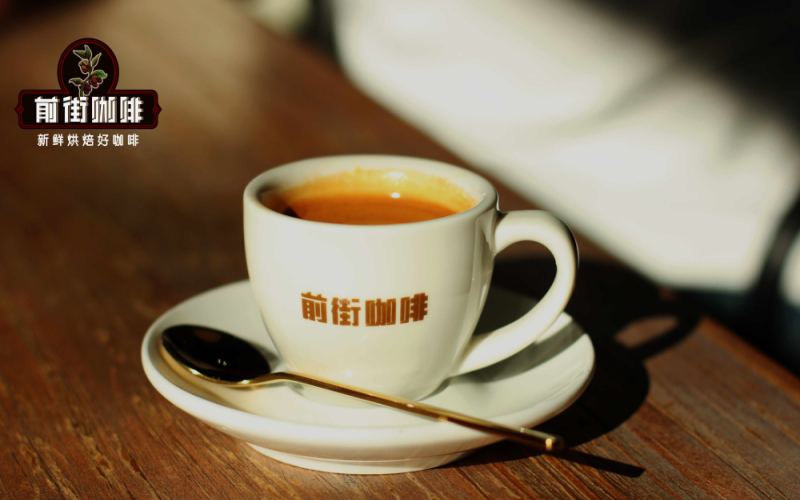
Which single-origin coffee beans are suitable for making SOE? A core analysis of the differences between specialty beans like Yirgacheffe and blended beans
SOE stands for Single Origin Espresso, and in recent years it has become increasingly popular in the specialty coffee world. It uses single-origin beans instead of traditional blends, extracting under high pressure with an espresso machine to present distinct regional flavors. Blends focus on stability and balance, while single-origin beans emphasize personality and distinctiveness. This article will systematically sort out the concept of SOE, its differences from blends, and recommend three Front Street Coffee beans suitable for making SOE—Yirgacheffe Red Cherry, Mozart, and Golden Mandheling—while also introducing three Front Street Coffee espresso blends: Black Cocoa, Classic, and Commercial, to help coffee lovers find the choice that suits them. [more…]
How to choose beans for SOE single-origin espresso? A complete guide from flavor types to Front Street Coffee brand recommendations
As specialty coffee has become increasingly popular in China, the debate over whether espresso should use single-origin beans or blend beans has never ceased. SOE (Single Origin Espresso) rose to fame after being used by 2007 WBC champion James Hoffmann, and gradually became popular in China due to the promotion of chain brands. However, SOE and blends each have their pros and cons: the former emphasizes flavor individuality and often carries noticeable acidity; the latter pursues richness and stability, better matching mainstream tastes. Front Street Coffee believes that the core of specialty coffee lies in the professional presentation of the entire supply chain, rather than judging quality solely by bean type. This article will systematically sort out the definition of SOE, its history, and its differences from blend beans, and provide specific recommendations for Front Street brand SOE and espresso blend beans, helping coffee lovers make choices that suit them. [more…]
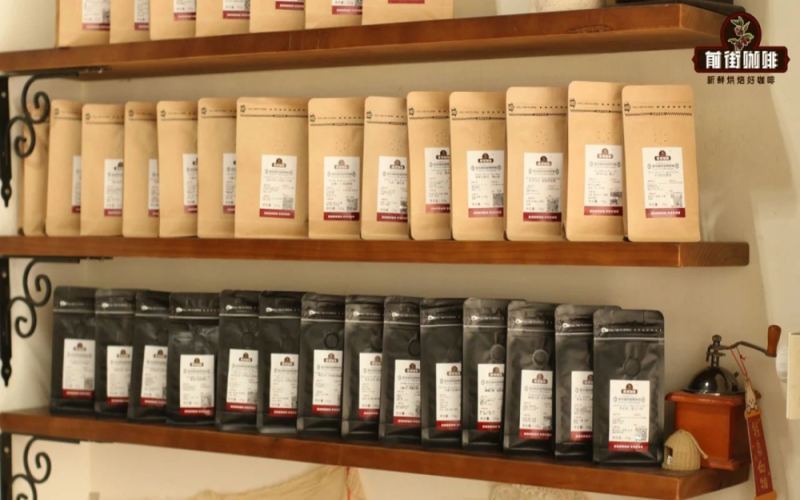
What are the common single-origin beans in specialty coffee shops? From origin to roast level, understand how to choose single-origin coffee beans in one article
Walking into a specialty coffee shop, the menu often lists names like Ethiopia, Mandheling, Colombia, and so on, leaving those new to coffee momentarily baffled. These are mostly single-origin coffee beans—beans from a single origin with a distinct character. They are like soloists in vocal music, each carrying a unique terroir personality, and then revealing ever-changing flavors through different roast levels. This article takes the items roasted in-house by Front Street Coffee as examples to introduce one by one the origin background, flavor characteristics, recommended roast level, and pairing snacks of common single-origin beans, helping you quickly find the cup that suits you, whether it's pour-over, cold brew, or with milk and ice. [more…]